The Types of Pictures to Include in Your Book
The words in your book are important. That is how you tell your story and share it with the world. But, for some books, the visuals are just as or more important. Even books that are not explicitly focused on the artwork can use illustrations in exciting and unexpected ways.
There are a wide variety of ways to maximize the visuals in your book. These include your cover art, using illustrations to tell your story, and inserting specific pictures at intentional points. This article will review the ways to inject your book with engaging visuals that will attract readers.
Cover Art
The first part of your book that audiences will see is the cover. With your cover, the goal is to entice potential readers to take a deeper look at your book. The adage goes, “Don’t judge a book by its cover,” but that does not always happen. People’s first impression of your book will start when they see the cover. Some covers have become iconic and defined their books’ legacies.
As the first point of contact with your book, your cover should convey the contents of your book. Your cover can include any kind of visual you want: pictures, illustrations, text, etc. Let your imagination run wild to showcase your book. There are no strict requirements about what needs to be on your cover. Just make sure it is reflective of your book and will catch readers’ eyes on the bookshelf.
At Cloverly Publishing, our team will work with you to craft a cover that is perfect for your book. We customize each and every cover to fit both the author’s desires and the book’s content.
Image-Based Books
For some books, the visuals are the book. This includes children’s picture books and photography collections. Even if there are words in these books, the visuals are the true star. You lead the charge in designing and organizing these images from the beginning of the creative process.
When writing a children’s book, your visuals will likely be created by an illustrator. The pictures they create will work hand in hand with your writing to create a complete story. They enhance the story, and your book is not complete without these images. At Cloverly, we have a team of illustrators who will craft the book of your dreams.
If you are publishing a book of photography, you will likely enter into the publication process with your images. When it comes to designing your book, you should keep the audience in mind. Make the flow of your images make sense and convey the experience you are intending.
Limited Images
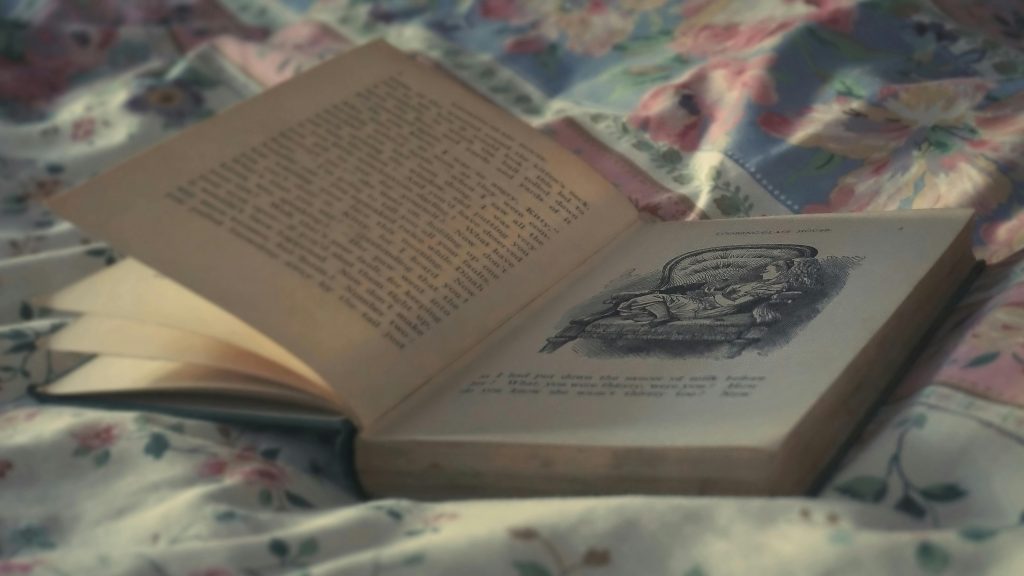
Sometimes, the most powerful type of visuals are ones that only appear sporadically in your book. This can include select illustrations at the start of chapters or a collection of real-life photos in the center. Either way, these images will enhance the experience for the reader and add visual flair.
These types of visuals can be used in any genre of book. It can be helpful to break up the flow of text with small pictures that capture the tone of the story. These do not have to be big, colorful illustrations; they can be small adornments at the beginning of a chapter. As the author, it is up to your discretion if and when to include sporadic images.
Book-Specific Details
Another type of visual you can include in your book is a book-specific detail. Some examples of this include a map of a fantasy land or a family tree. These are especially helpful at introducing the audience to new lands or complex family dynamics. While not necessary to tell your story, these images can immerse the reader in your book’s world.
There is not one singular way to incorporate the visuals in your book. Whether your only illustration is on the cover or if your book is a complete photo book, visuals tell stories.