
How to Celebrate Labor Day with Books

Honoring the Spirit of American Workers Through Literature
Workers across fields and occupations have spent generations fighting for their rights. Every September, Americans celebrate the successes of the country’s labor movements. From fighting for higher wages, reasonable working hours, and better conditions, the labor movement is endlessly important.
While the official last day of summer is not until later in September, Labor Day marks the unofficial end of summer. Recognizing America’s working-class heroes is one final opportunity to celebrate the joys of summer.
In addition to the festivities of the day, there are books people could read or write to honor the spirit. Labor Day is about the power of workers, and literature is one way to channel that spirit. This article will examine the roots of Labor Day and how to embrace it across the literary world.
The History of Labor Day
Americans have been celebrating American workers for nearly 150 years. In the late 19th century, labor organizers began to want to honor workers around the country. The first Labor Day was celebrated in New York City on September 5, 1882, with a parade. A local union, the Central Labor Union, proposed and planned the festivities that set the precedent for the future holiday.
It was over a decade before it was a nationally recognized holiday. Over those years, more than two dozen states began recognizing Labor Day. In 1894, President Grover Cleveland officially declared Labor Day a national holiday on the first Monday of September.
Throughout the 19th and 20th centuries, Labor Day celebrations focused on the power of the labor movement. Parades and festivals became trademarks of the holiday to honor the country’s working-class spirit.
Workers around the nation spent generations fighting and organizing for their rights. Labor Day is when these movements and their progress are honored.
The Books That Celebrate America’s Workers
To honor the economic and social spirit of Labor Day, readers can engage with any number of literary offerings. The spirit of the labor movement is possible no matter what kind of book you choose to read or write.
From fiction to non-fiction and everything in between, the literary world celebrates America’s workers. The genres may vary, but there the content of any book can embrace the successes of the labor movement.
Non-Fiction Books
For those looking for more educational reads, non-fiction books are the way to go. As fact-based, true works, these books can serve many purposes. Non-fiction works can educate, enlighten, inspire, influence, or provoke thoughts. Within the larger category of non-fiction, there are many subgenres for more tailored interests.
One narrower subgenre consists of historical and autobiographical texts. These are works that tell true stories of the past, whether personal or broader. For Labor Day, these can be biographies of important figures in or histories of the labor movement. There are endless stories of successful labor leaders both across America and internationally.
Another subgenre of non-fiction covers more ideological texts. This can include books about philosophy, academic texts, or inspirational tomes. Instead of covering a specific event or series of events, these books can cover larger ideas within labor movements. Reading these books can be thought-provoking and motivational.
Fiction Books
Other readers may be looking for more traditionally entertaining reads. That is where fictional works come in. Fiction books can contain and convey important messages and lessons about workers’ rights and historical struggles.
As with any other subject matter, fictional works about workers and the labor movement can come in many shapes. Novels and short stories are the most common avenues for traditional prose. When reading or writing these works, one’s creativity can run wild and tell any story imaginable. Alternatively, one can read or write poetry or other lyrical writing. This form of writing can be used to capture the feelings and emotions of the subject matter.
Fiction books can impart important messages about the spirit of the labor movement just as well as non-fiction. Some people even absorb fiction better than non-fiction. It is ultimately up to each individual to figure what works best for them. Whether through reading or writing, literature can bolster appreciation of all American workers’ tenacity this and every Labor Day.
The Shortcomings of the Query Letter

How to Get Your Manuscript in Front of a Publisher
Writing or conceiving of a book is only the first part of becoming a published author. After you finish writing, you have to get your book in front of publishers and out into the world. All the most famous writers stood in your shoes once and had to work to share their writing.
There are numerous ways to get your writing in front of the right people. As with every aspect of the publishing industry, times are changing. As such, the methods of doing this have evolved with the times. Traditionally, prospective authors relied on writing and sending a query letter. This article will explain what a query letter is, its somewhat-outdated role in publishing, and a more modern approach.
What is a Query Letter?
At the most basic level, a query letter is something a writer sends to potential publishers or agents. Authors without representation can have difficulty getting proper publishing and marketing, so a query letter can help.
When writing a query letter, the writer must always keep the audience in mind. This is for publishers and other industry professionals willing to put their weight behind the author. While each query letter is individualized to the specific author and their work, there are some common elements.
At the start, one writing a query letter should identify their work at hand to set the scene. From there, the next section should provide a brief plot synopsis to pique the publisher or agent’s interest. This should not be a complete start-to-finish summary, just one similar to what will appear on marketing materials. The goal is to hook the reader into taking a chance on this unrepresented author.
After the specifics of the book are laid down, the next segment is about the author themself. A huge part of being a successful author is selling one’s image. This can be educational or professional history, previous writing, and any specific niche audience. With the sign off, the author can include excerpts of their writing or any other relevant samples.
Why Are Query Letters Outdated?
Despite being the industry norm for decades, the query letter is quickly becoming outdated. Gone are the days when books need a professional publisher or distributor to get seen. With the internet, anyone can write anything and gain an audience. This can be anything from a short blog to an entirely self-published online book.
Query letters certainly have their time and place for specific authors, but there are 21st-century alternatives. Some authors have been able to leverage massively successful careers just from self-starting their writing dreams. Similarly, some classic books struggled to get published at all, showing that the industry can miss potential greatness. A slight misstep in a query letter can deprive the world of literary excellence.
What Is Cloverly’s Process to Solicit Manuscripts?
With a more modern approach to publishing comes new ways to share your writing. Here at Cloverly Publishing, we provide in-depth self-publishing services that will make your book stand out. Each of our speciality divisions are equipped to handle the specific needs of your book.
However, we still have a process for reviewing and accepting manuscripts for publication. To ensure quality for the books we attach our name to, we thoroughly screen every submission. This takes time, so we do not accept unsolicited manuscripts to make sure we can effectively review every manuscript.
Once you request an Author Submission Kit, you will be put in touch with one of our literary agents. They will coordinate the submission process with you. From there, our in-house review board assesses each manuscript for quality, potential, and brand fit across our speciality divisions.
Most people who reach out to us are permitted to submit their manuscript; you just have to reach out. Instead of relying on a query letter to have someone read your writing, you can talk to a real person.
Your book is an extension of yourself; at Cloverly, we understand that. We want your manuscript to receive the attention it deserves without having to fight to be seen.
How to Find the Perfect Beach Read

What to Look for in the Best Book to Read at the Beach
The summer sun is shining bright, which only means one thing: it is time for some beach fun! Alternatively, if you live somewhere without a beach, you can lounge near a pool or park. No matter where you spend your time outdoors this summer, you should bring a book with you.
Beach reads have become something of a beast of its own. While not limited to one specific genre or type of book, some books are better suited for summer reading. This article will take a look at what goes into a powerful summer, beach- or pool-side read. Whether you are looking for summer escapism or thought-provoking nonfiction, there is something for everyone.
Genre and Content for Your Next Beach Read
When looking for a good summer book, the first factor to consider is the content of the book. This can mean the genre, plot, characters, writing style, or anything else about what you are reading. Everyone has different tastes, but these are some common suggestions to start your search.
Some common genres include the more populist genres of mystery, romance, and thrillers. These books can have a wide range of plot and characters that keep the readers engaged. But, despite being more crowdpleasing, these books can have immense literary value.
People often assume beach reads have to be lower quality, which is not true. There is not one single genre or quality of a beach read. It is just important to like what you are reading on this hot summer day.
Back to School Reading
Obviously, these months are also a perfect, and sometimes required, time for students to do their summer reading. While these titles can be given to the students, sometimes they can choose their own.
When looking for a book to read, students should hone in on what makes them engaged. Summer provides endless opportunities for students to read. If they know where they will spend their summer activities, they can tailor their book selection. No matter what they choose to read, they will be better for it.
Book Formats for Summer Outdoor Reading
There are multiple formats your book will be published in: hardcover, paperback, digital, and audiobook. Each of these formats have their time and place, some of which are better for summer reading.
The most traditional and easiest format for summer beach reading is paperback. Specifically, mass market paperback is the most compact and portable kind of book to tote to the beach. At a lower price point, mass market paperbacks are also more durable to sand, wind, sunscreen, etc.
Traditional paperbacks are a solid second choice, but they are often bigger and more expensive. Hardcover books are not as common by the beach or pool, but if that is what you have, bring it!
Alternatively, you can bring a digital book or listen to an audiobook during your summer adventures. Many eReaders are compatible with reading outdoors, and you can download multiple books to choose from. Audiobooks allow you to rest your eyes and take in the book in any state of relaxation.
As long as you are comfortable and want to do some outdoor reading, you can read in any format.
Book Lengths
As for the length of your beach read, you know what kind of book you want to read. If you are planning on reading for hours on end during a longer trip, you can read a longer book. This can make you feel accomplished and productive, especially if it is a more complex story.
If you are planning on a shorter trip or want more mindless reading, you can bring a shorter book. This can be something that you do not need to put all your attention in, just helping you pass time.
Share with Others!
Nothing is better than a fun beach day with friends where you can crack into a book. Let your mind wander and bask in the summer sun. When you read at the beach or by the pool, that can even inspire others to do the same. If you have any particular beach reads you enjoyed, you can share that with your friends, family, and community.
At the end of the day, read whatever book at the beach or pool that you want to read! You ultimately decide what makes for the best beach read for you. If you are looking for a place to start your search for new books, visit Cloverly’s catalog of recent releases.
The Fourth of July in Literature

How to Celebrate America’s 250-Year History with Books
This Independence Day marks a landmark achievement: the United States of America’s 250th anniversary. On July 4, 1776, the American colonies announced their separation from Great Britain by approving the Declaration of Independence. Every year since then has marked another year of American independence and freedom.
When it comes to celebrating the Fourth of July, Americans celebrate in many ways to showcase their patriotism. Many people brandish their American flags, have a barbeque, sing patriotic tunes, and watch a stunning firework show. No matter how people celebrate, America and its storied history are always at the center of the day.
Literary-minded folks may want to celebrate American independence through the world of literature. Whether reading, writing, or sharing books with others, literature is a powerful tool for expressing your patriotism. This article will review how to celebrate the Fourth of July with literature.
Reading About America’s History
As a historical day, it makes sense that someone would want to read about America’s past. That is where historical books come in handy. History books come in both conventional and unconventional forms to embrace our nation’s storied past.
For those looking for more fact-based historical reading, there is a wide array of literature available. These books, often non-fiction, are the most traditional way of learning about America’s history. Whatever area of American history you are most interested in, there will be an endless supply of literature. You can dig into any area of American history and culture that you want. Celebrating America’s birthday means learning as much as possible about the country’s history. Figure out what interests you and go from there!
Alternatively, you might want to focus on historical fiction. This is an outlet for people interested in American history but need a narrative drive. There are historical fiction books set in every era of America’s 250-year history. From the Revolutionary War to the 2020s, there are fictional books about every historical event. These books can be set during any period, but they also enlighten the reader about the real history. Historical accuracy is crucial.
Historical books, fiction and non-fiction, are for readers of all ages. From the simplest picture books to multi-volume biographies, there is a historical book for everybody. Reading about American history allows you to become more in touch with your national pride.
Writing Your Own Historical Book
The other way to engage with the literary world of Independence Day is to write a book of your own. Writing a book about history is nearly the same as writing any other, it just requires some more research. You always want the history parts of your books to be based in fact and reality. Have your story fit in with real life; do not bend history to fit your narrative, unless it is intentional. This goes for both fiction and non-fiction.
When you set out to write a history book, you need to establish the time period and framework. This sets out the path for what you will write about when you start drafting. As with any other book, make sure you plan ahead, including making an outline or storyboard. Create a story that tells a compelling narrative within your chosen time period.
There are no limits to your imagination. Writing about America’s history is a great way to celebrate the country’s birthday.
Sharing with Others
On the Fourth of July, Americans around the country celebrate America’s independence with their friends and family. There are numerous ways to spend Independence Day, including sharing American history with others. This does not have to be through literature, but books are a strong resource for celebrating.
If you have any favorite books about American history, share them with the people in your life. Readers of all ages will find lots to learn in each and every book. Sharing your knowledge and library with others truly expresses the ideals on which America was founded.
How to Write Your About the Author

Tricks to Writing About Yourself for Your Book
People who read books like to know who wrote them. Every book has an About the Author (or ATA). This is where the readers can learn about the person behind the book. Usually, this includes a professional photograph, so the readers can put a face to the name.
Writing an ATA can seem straightforward — it is just writing about yourself, right? However, it can be deceptively tricky. Sometimes, people struggle to write about themselves, do not know what to write, or just need a guide. This article will explain what goes into writing your very own About the Author.
Basic Technicalities of an ATA
First and foremost, you need to understand the basic technicalities of writing your book’s About the Author section. Some of these may seem like common sense, but it is always good to lay the foundation.
Your ATA is almost always going to be written as a paragraph with complete sentences. Do not use bullet points or sentence fragments as that can come across as unprofessional. Often, these sentences will be written in the third person; avoid using “I” and other first-person words. As a reader, this makes sense and allows them to read about you without confusion.
As for the ATA’s length, use your discretion. It should not be too long or too short, but it should convey all your relevant information. Anywhere from one to three short paragraphs will likely be appropriate, but adjust as needed. For the most part, your ATA should fit on a single page of your book. Feel free to look at other books’ ATAs as reference points when writing yours.
The final technicality to consider is your author photo. It is suggested, but not necessary, to include a photo of yourself. This allows the reader to put a face to the person who wrote the book in front of them. Your photo will often be a high-quality, professional headshot against a neutral background. The more professional your headshot looks, the more your readers will trust your authority.
What to Include in Your ATA
Your About the Author is just that, yours. You can write about whatever you want your readers to know about your life. However, there are a few standard components to include in a basic ATA. Your ATA should never be too long, so balance all of these components accordingly.
Personal Life
Readers like to know who the author is outside of writing. This can include some basic autobiographical information about your personal life, depending on the type of book. Of course, you do not want to get too personal as to invade your privacy. This can include where you are from, if you are married and/or have children, and any other basic information. You can be as vague as saying the state you are from and who you live with. Or, it can be as detailed as including your town, spouse’s name, children’ s name, etc. Write whatever you feel comfortable sharing.
Education and Work Experience
For some books, it is more important to lay out your professional and educational credentials. This often goes for academic, non-fiction, historical, political, or self-help books. Readers will want to know that the author whose book they are reading is qualified in the area. Most commonly, this will include where you went to school and any relevant work experience. You do not have to go into too much detail, but always factually represent your credentials.
Past Works
If you are already a published author in any medium, be sure to include that in your ATA. This allows readers to seek out your past works or recognize your previous writing. If you have an expansive roster, tailor your ATA to the book at hand. Then, direct readers where to find your complete catalog of work.
Fun Facts
Finally, you can include any fun facts that you think define you as a writer or person. This part is the most optional to include, but have fun with it. Let your personality shine through. It is especially helpful to include fun facts if the rest of your ATA is lighter.
Future Uses for Your ATA
If you are a first-time author, writing a strong ATA now will help you going forward. Once you have an initial ATA written and accessible, it can be used for both future books and current opportunities. When using your ATA for future books, you can make small adjustments and updates, but the bones are already there.
Your ATA will be helpful to have on hand during the marketing process of your book. This includes social media, book signings, panels, media appearances, etc. Many of these request ATAs or something similar, so have one ready to go. Having a single ATA to use across mediums will allow for a coherent identity as an author across the spectrum.
How to Write a Better Second Book

Lessons to Apply to When Writing Your Second Book
Publishing your first book is a huge accomplishment in your life. You spent months, maybe years, perfecting your book to make it the book of your dreams. Now, it is out in the world, ready for readers to find, read, and share with others.
But, what happens now? You are a published author, and the sky is the limit. If you enjoyed the writing process, you will probably want to continue your literary journey. Likely, this will manifest as writing your second book. Your follow-up can be whatever you want, either in the same vein as your first or completely different. This is the next step in your life as an author.
Throughout the writing, publishing, and marketing processes, you likely learned valuable lessons to take forward with you. Your experience as an author will always be unique to you, but there are some common general takeaways. This article will look at how you can use the lessons you learned from your first book.
Hone Your Writing Style
Perhaps the most direct lesson to take from your first book is honing your writing. This can include stylistically, thematically, or anything else. You may have written your first book without a clear sense of direction or experience as a writer. When approaching your second book, you will have direct and relevant experience.
This does not mean your first book was poorly written. On the contrary, some of the most acclaimed books in literature are novels from first-time authors. Everyone’s journey to publishing a book is different, and you can have a strong literary background in other ways. The lessons you learn from publishing your first book, however, are unique. You will be able to cement your identity and brand as a writer going forward.
Build an Audience
When you start your first book, you probably do not have much of an audience. Therefore, you will have to build your readership from the ground up. This can be one of the most exciting parts about being a published author. People will read your books and want more from you.
During the writing process of your second book, you will want to consider the audience from the first book. Who read it and liked it? What did they like about it? Why did they like it? You can assess audience reviews and feedback to get to the root of what about your book worked for them.
Your job is not to repeat what you did the first time, just take those lessons forward. Instead of cloning your first book, write to your strengths. If you think critically about your writing, you will find your voice and fanbase grow with each new book.
Gain Connections with Other Writers
As with any industry, networking and building connections are key to success as a writer. Knowing other authors gives you a community of like-minded people who share your passion. You can give each other feedback, advice, or pep talks at any stage in the writing process.
The connections you build with other writers will be different than any other. Sharing a common purpose allows you to build confidence within your own writing. Growing a community with other writers can carry you through your follow-up book. As you write more and more books, you will become a more engrained member of the literary world.
The Ropes of Marketing
When you publish a book, marketing is just as important as the writing and publishing processes. This is when your book gets in front of new people all around the world. Your marketing starts with a press release upon publication and goes from there. You control how you market your book; this can include social media, television appearances, book signing, etc.
Your first book can be a trial for how you can best market your writing. If some methods worked for you, you can carry those forward. However, you can adjust your strategies. Use the methods that worked best and focus on those. For example, you might love in-person events and interaction with potential readers. Embrace those events when marketing your second book.
How to Overcome Imposter Syndrome

Understanding Imposter Syndrome as a New Writer in the Literary World
Have you ever felt like you were unworthy of your success? Or do you have constant doubts of your abilities? You are not alone. In every field and discipline, high-achieving people doubt their skills and feel like they do not belong in their field. This is called imposter syndrome, and it is more common than you might think, especially in the literary world.
Imposter syndrome can feel insurmountable. This article will take a look at imposter syndrome, how it affects new writers, and tips to dealing with it.
Imposter Syndrome for Writers
Imposter syndrome is exactly what it sounds like: when someone feels like an imposter. Often, this manifests as insecurity and doubts about your skills and ability. This can stem from comparing yourself to others’ successes or feeling like you are as good. Of course, this does not have to be true — it is based on your feelings of self-worth.
In particular, the publishing world can foster imposter syndrome. As a writer, you may feel insecure about how your book measures up to others. Others may publish more books, have more social media followers, win awards, enjoy acclaim, etc. When you have imposter syndrome, you take the achievements of others as a personal attack on your abilities.
Who Experiences Imposter Syndrome?
Anyone can suffer from imposter syndrome at any point in their life. Everyone compares themselves to others; it is a natural part of the human experience. However, some people are more prone to having this impact their self-esteem.
Some groups with the highest levels of imposter syndrome are people who may feel like outsiders in their group. This includes women, racial minorities, members of the LGBTQ+ community, immigrants, and minorities in age or class. These people can see the success of the “insiders” as intimidating to their chances of success.
Certain personality types are also more likely to experience imposter syndrome. People prone to anxiety can have their anxiety manifest as imposter syndrome. Perfectionists can also experience imposter syndrome because they strive for perfection. Anything short of that makes them feel inadequate.
People with less experience or are new to a field can also feel like an imposter in their new environment. As time goes on, they are likely to become more comfortable, but the beginning can be intimidating. This is especially true for new writers looking to break into the industry.
Tips for Dealing with Imposter Syndrome
There is not a one-size-fits-all cure for imposter syndrome. Everyone handles their mental health differently. However, there are some general tips to consider when you feel like you do not belong, especially as a writer.
Mindfulness
You cannot flip a switch and change your entire mindset, but you can try to train your way of thinking. Practicing mindfulness can allow you to focus on the positives and bright future ahead of you. It trains your mind to not automatically jump to the negative thoughts of feeling out of place. Remind yourself that everyone started somewhere and you are in this space for a reason.
Everyone’s journey to becoming a writer is different, and you cannot grow without pushing yourself. No two journeys to becoming a writer are the same. As such, there are different types of success for different authors. You cannot compare yourself to others just because you are both writers. Focus on ways to work towards your goals without needing to measure up to others’ standards. Putting your stress in perspective can ease your anxiety and make your more confident.
Self-Care
Always practice self-care. If you are feeling particularly stressed about a specific task or situation, take a break. Drink water, watch television, take a walk, read a book, call a friend, or do any calming activity. Unless it is an emergency, it can wait. Allowing stress to fester causes it to compound, so it is best to handle it from the start.
Resources
The most important thing is to always know when to ask for help and seek out resources to help you. Writing is often a solitary activity, but you are not alone. There are communities of people online and in-person who understand your struggle and can help you. There is no shame in asking for help and support along your journey.
Publishing with Cloverly
Publishing your book can be a stressor of its own. When you publish with Cloverly Publishing, our team will work with you every step of the way. We will make sure no stone is left unturned and that you have all the resources you need to succeed.
How to Write About Your Own Life

An Overview of Writing Books About Your Own Life
One of the most prevalent types of books on the market are about the author’s own life. This is because their life is what the author knows best. Authors can use their life story to teach the reader life-changing lessons, impart practical wisdom, and share entertaining anecdotes.
For a first-time author, writing about your life can be a natural entry into the writing world. If this piques your interest, what kind of book do you want to write? There are several kinds of books you can write that are either about or inspired by your life. This article will take a look at different types of autobiographical books to help you find the right fit.
Autobiography vs. Memoir
The most straightforward genres of book for your life story are memoirs and autobiographies. These are similar in style and outward appearance, but each holds nuances that make them unique. However, the common bond of a memoir and autobiography is that you are telling your own story. A biography is also the story of someone’s life, as told by a third party.
An autobiography is a book written to chronicle your entire life, up to the present day. It takes a big-picture look at who you are as a person from childhood. The end result is a well-rounded self-portrait through all of life’s trials and tribulations. With an autobiography, you get to share more of your life’s landmarks.
On the other hand, a memoir is more limited in scope. While still a story about your life, it is often limited to a specific time or similar sets of situations. Instead of showing your entire self, a memoir curates an image based on what themes you are employing. For example, a memoir could focus on a meaningful job you had or a specific relationship in your life.
Every author can decide whether an autobiography or memoir is the appropriate format for their book. One thing to consider is what the reader will get out of reading your book. If you want to share your whole self, an autobiography might be the better option. However, if your goal is to inform about an area of expertise, a memoir could be more suitable.
Essays & Short-Form Writing
Outside of the traditional parameters of autobiographies and memoirs, there are essays and other short-form pieces of writing. These differ from traditional writing about yourself because it is composed of various standalone elements. Instead of painting a chronological picture of your life, short-form writing is like a vignette. You can write about various points of your life and still create a cohesive whole.
If you decide to write essays or short stories about your life, publishing a book is not the only option. An alternative is to create a blog or newsletter where you can write about your life. This can give you more freedom to write about whatever you want to on a given day to your audience. After some time, you might have enough material to compile into a book after the fact. This can allow you to write short pieces about your life then curate those selections for publication.
True-Life-Inspired Fiction
Instead of writing a true story directly about your life, you can use autobiographical elements to tell a fictional story. This is a creative and unassuming way to share your perspectives and story. The audience will not necessarily know this book is based on aspects of your life while reading. But, they know more about you as a person without even knowing it.
For a more private person, this could be an especially powerful tool for self-expression. You can disguise your vulnerabilities as those of fictional characters. Since these stories are based on real life, there is an underlying emotional truth.
Poetry
The most creative literary outlet to share your life story with is poetry and other lyrical writing. This is the most removed from the formal structures of prose, but is often even more meaningful. Think of your favorite poem; that was likely inspired by the poet’s life at some level. Even if a poem is fantastical in nature, there is likely an inkling of the author’s self in it. That is just how they channel and process their emotions.
No matter how you decide to write about your life, your story deserves to be heard. At Cloverly Publishing, we review each and every manuscript we receive. If your book fits with one of our divisions, we work with you every step of the way to publication. We understand how important your autobiographical work is to you — your story will always be yours.
The Perks of Hiring a Ghostwriter

The Benefits of Hiring Someone to Help You Write Your Book
Having a great idea for a book is the first step of the writing process. That is when the themes and plots that will make up your book begin to be formed. As it is only the beginning of the process, there is much more work to do. Namely, writing the first draft and the many rounds of edits that follow.
There are options for aspiring authors who have a great idea but are unsure how to write their book. Namely, you can hire a ghostwriter. A ghostwriter will collaborate with you to create a full-length book based on your ideas. What you bring to the process will determine how you can best utilize a ghostwriter. This article will provide a brief overview of hiring a ghostwriter to help write your book.
What Does a Ghostwriter Do?
As mentioned, a ghostwriter is a professional writer who you collaborate with to write a book. Ghostwriters can help with any genre or type of book. Confidentiality is a key component of a ghostwriter’s job, so you will be the sole credited author unless otherwise negotiated.
You will enter the process with a general idea of what you want in your book. This can include complete outlines, sample chapters or sections, and some inspirations and guidelines. Your chosen ghostwriter will take any material you give them to guide their writing process. Throughout their writing, you will be kept abreast of their progress and can make suggestions and edits. At the end of the day, the book is still yours.
However, ghostwriters are not cheap. Since ghostwriting is such a time-consuming job, a ghostwriter’s fees typically fairly compensate them for their time and effort. There is no one-size-fits-all price for a ghostwriter, and their fees can vary based on the project, experience, etc.
Why Hire a Ghostwriter?
Since they often come at a substantial cost, hiring a ghostwriter may seem superfluous. However, you will be shocked at what a competent ghostwriter can bring to your book. They are much more helpful and provide more personalized insights than artificial intelligence, for example. These are just some of the ways in which hiring a ghostwriter can be a worthy investment.
Experience
Ghostwriters often bring substantial experience to your book. Whether they are published novelists, working journalists, or trained academics, they know how to write a book. Looking at a blank page can be daunting for any writer. Hiring someone with experience writing can jumpstart the process and get your story out there.
When it comes to ghostwriter’s fees, experience is often the biggest determining factor in price. Seasoned ghostwriters will often ask for a higher fee because of their experience. On the other hand, newcomers to the field can be more economical while they are building their skills. Never shortchange a ghostwriter and make sure they are paid for the valuable work they do for you.
Fleshing Out the Story
Sometimes, you have that great idea, but do not know how to flesh it out fully. That is another area a ghostwriter can assist in. As experienced writers, they know what it takes to fill out a manuscript to your desired length. They will work with you to fill in any gaps in the story that can add meat to your book.
Saving Time
Another huge perk of using a ghostwriter is that it saves you significant time. As long as you convey all the important information you want shared in your book, they can do the rest. If you have a busy life, this might be the only way to get your book finished. You still have to take time to meet with your ghostwriter for updates, but they handle most of the writing. This keeps you as an active part of the process without consuming all your time.
Collaboration
Collaborating with others is, by itself, a huge benefit of hiring a ghostwriter. Writing can often be a solitary activity. Without someone to bounce ideas off of, your work can falter and become one dimensional. If you are a person who works best collaboratively, you can hire a ghostwriter while keeping sole author credit.
Most publishers will be able to connect you with a ghostwriter or ghostwriting service. At Cloverly Publishing, we can point you in the right direction to find the best ghostwriter for your book.
How to Plan the Images in Your Book
The Types of Pictures to Include in Your Book
The words in your book are important. That is how you tell your story and share it with the world. But, for some books, the visuals are just as or more important. Even books that are not explicitly focused on the artwork can use illustrations in exciting and unexpected ways.
There are a wide variety of ways to maximize the visuals in your book. These include your cover art, using illustrations to tell your story, and inserting specific pictures at intentional points. This article will review the ways to inject your book with engaging visuals that will attract readers.
Cover Art
The first part of your book that audiences will see is the cover. With your cover, the goal is to entice potential readers to take a deeper look at your book. The adage goes, “Don’t judge a book by its cover,” but that does not always happen. People’s first impression of your book will start when they see the cover. Some covers have become iconic and defined their books’ legacies.
As the first point of contact with your book, your cover should convey the contents of your book. Your cover can include any kind of visual you want: pictures, illustrations, text, etc. Let your imagination run wild to showcase your book. There are no strict requirements about what needs to be on your cover. Just make sure it is reflective of your book and will catch readers’ eyes on the bookshelf.
At Cloverly Publishing, our team will work with you to craft a cover that is perfect for your book. We customize each and every cover to fit both the author’s desires and the book’s content.
Image-Based Books
For some books, the visuals are the book. This includes children’s picture books and photography collections. Even if there are words in these books, the visuals are the true star. You lead the charge in designing and organizing these images from the beginning of the creative process.
When writing a children’s book, your visuals will likely be created by an illustrator. The pictures they create will work hand in hand with your writing to create a complete story. They enhance the story, and your book is not complete without these images. At Cloverly, we have a team of illustrators who will craft the book of your dreams.
If you are publishing a book of photography, you will likely enter into the publication process with your images. When it comes to designing your book, you should keep the audience in mind. Make the flow of your images make sense and convey the experience you are intending.
Limited Images
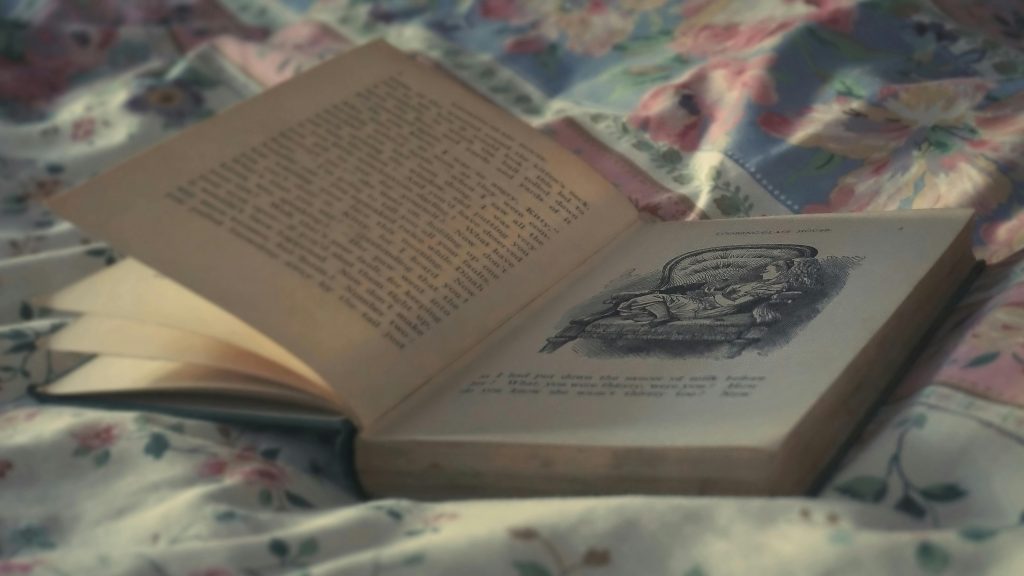
Sometimes, the most powerful type of visuals are ones that only appear sporadically in your book. This can include select illustrations at the start of chapters or a collection of real-life photos in the center. Either way, these images will enhance the experience for the reader and add visual flair.
These types of visuals can be used in any genre of book. It can be helpful to break up the flow of text with small pictures that capture the tone of the story. These do not have to be big, colorful illustrations; they can be small adornments at the beginning of a chapter. As the author, it is up to your discretion if and when to include sporadic images.
Book-Specific Details
Another type of visual you can include in your book is a book-specific detail. Some examples of this include a map of a fantasy land or a family tree. These are especially helpful at introducing the audience to new lands or complex family dynamics. While not necessary to tell your story, these images can immerse the reader in your book’s world.
There is not one singular way to incorporate the visuals in your book. Whether your only illustration is on the cover or if your book is a complete photo book, visuals tell stories.