Creating an outline to plan your book’s plot and characters before you start writing

Every book starts with an idea. Even with the smallest inkling of what you want to write about, you can develop your idea. Full-fledged books all begin with an idea. No two authors have the same writing process, but creating an outline can help guide you along your journey. Some people prefer to write without anything to guide them. However, if you are looking to write your book with an outline, here are some tips to consider.
Brainstorming a Plot
Once you have the initial idea of what your book is going to be about, it is time to brainstorm. Brainstorming is when you think of any and all ideas, even ones that may not pan out. This can be a highly creative process that you do in whatever way will be most helpful for you. The goal here is to think of as many options as possible and keep ones will be the most successful.
No matter what method you take in the brainstorming process, make sure you let the ideas and creativity flow. If you are writing with a collaborator, brainstorming can come in the form of bouncing ideas back and forth, verbally or in writing. You should always feel free to brainstorm without judgement, whether alone or with a partner.
Some ways to track brainstorming
- Freewriting, in which you jot down any idea that comes to your head without stopping or putting active thought into it — just see what comes from your mind naturally. This method can help organize your scrambled thoughts to see which is most important.
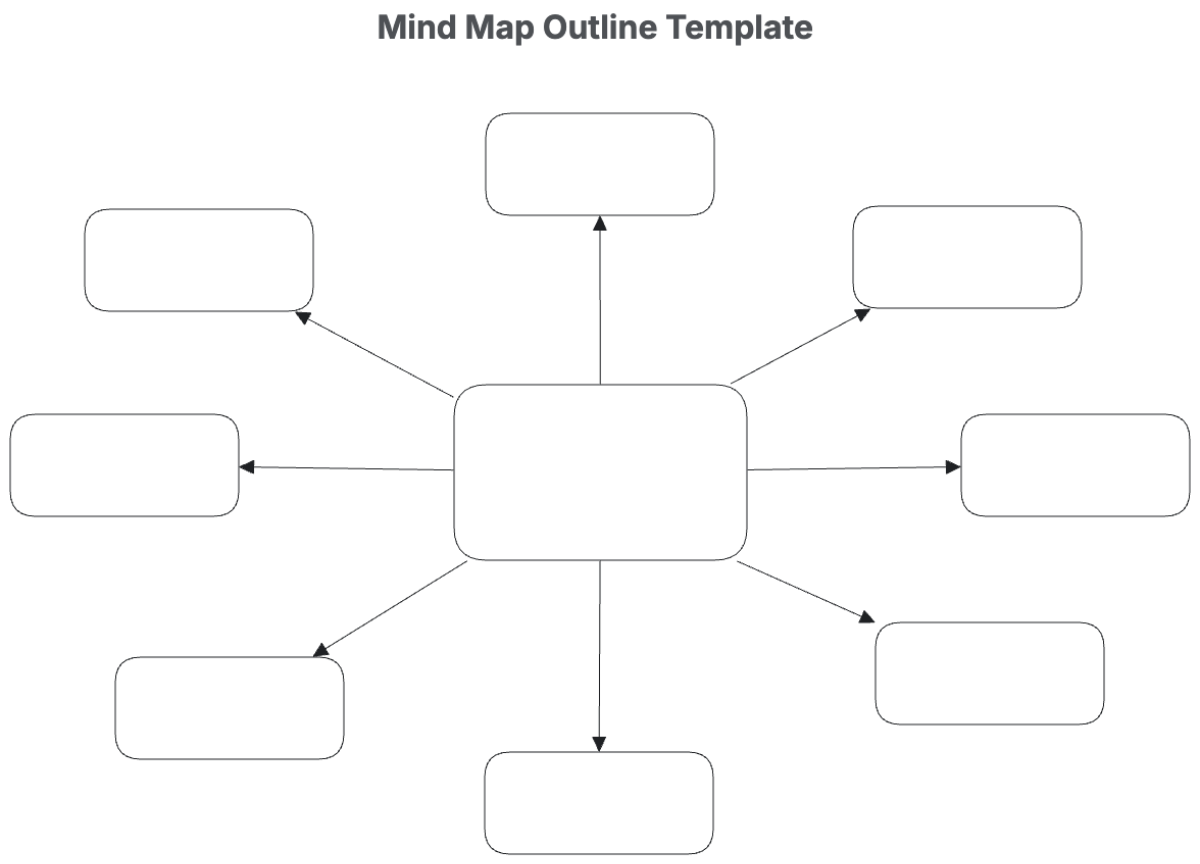
- Use a mind map, which allows you to visualize a big theme in the center that branches off into smaller and smaller details. A mind map is helpful to show concrete components of your book you want to convey.
- Write down questions about your idea that you can discuss with a collaborator or another trusted friend or family member. Having a conversation with someone else can set your ideas in motion.
- Create a list of plot points or chapter ideas in chronological order to get a sense of how your text will progress and where you need to add more information.
These are only a few examples of ways to brainstorm the plot of your book. You can try these, mix and match them, or implement any other brainstorming activities you know. At the end of the day, the goal of brainstorming is to help you write the book of your dreams — nothing you conjure in this process is final.
Developing Characters
The characters of your book are what keep readers engaged and coming back for more. Think of one of your favorite books. You probably enjoyed the story so much because you became invested in the characters and they felt like real people. Your goal is to create fully fleshed out characters with distinct traits and backgrounds.
If you have some or all of your basic plot beats figured out, you should already have some idea of what your characters will look like. After all, they are the ones that will be the driving force of the story.
Before writing, it would be helpful to list out all your characters, or at least some of the most important ones. From there, you can write specifics about their mannerisms or lives that you can refer to when writing. Even if you will not use every character’s entire backstory, knowing what motivates them will help you write their actions and dialogue.
Start Writing a First Draft
Now comes the part you have been waiting for from when you first dreamed up the idea of your book: writing. Putting pen to paper is the crux of creating your book. With your plot outlined and characters developed, writing chapters and scenes should be relatively smooth. It might even be fun! Remember that things will change while you are writing. If you start with a strong foundation, you will be able to craft a three-dimensional manuscript that you will be able to submit for publication.
Filling in the Gaps
With a first draft comes your first round of revisions. There is no guide for how you choose to edit and fill in any missing gaps in the story. Some authors choose to rewrite entire sections, some just add to what is already written. Regardless of the direction you take with your draft or how much you revise it, make sure you are proud of the end result.